Bulk Bags: Efficient Storage Solutions for Various Industries
Bulk bags, also known as Flexible Intermediate Bulk Containers (FIBCs), are large, durable bags used for storing and transporting bulk materials. These bags are incredibly versatile, handling a wide range of items from food products to industrial chemicals. They offer a cost-effective solution for companies needing to move large quantities of goods.
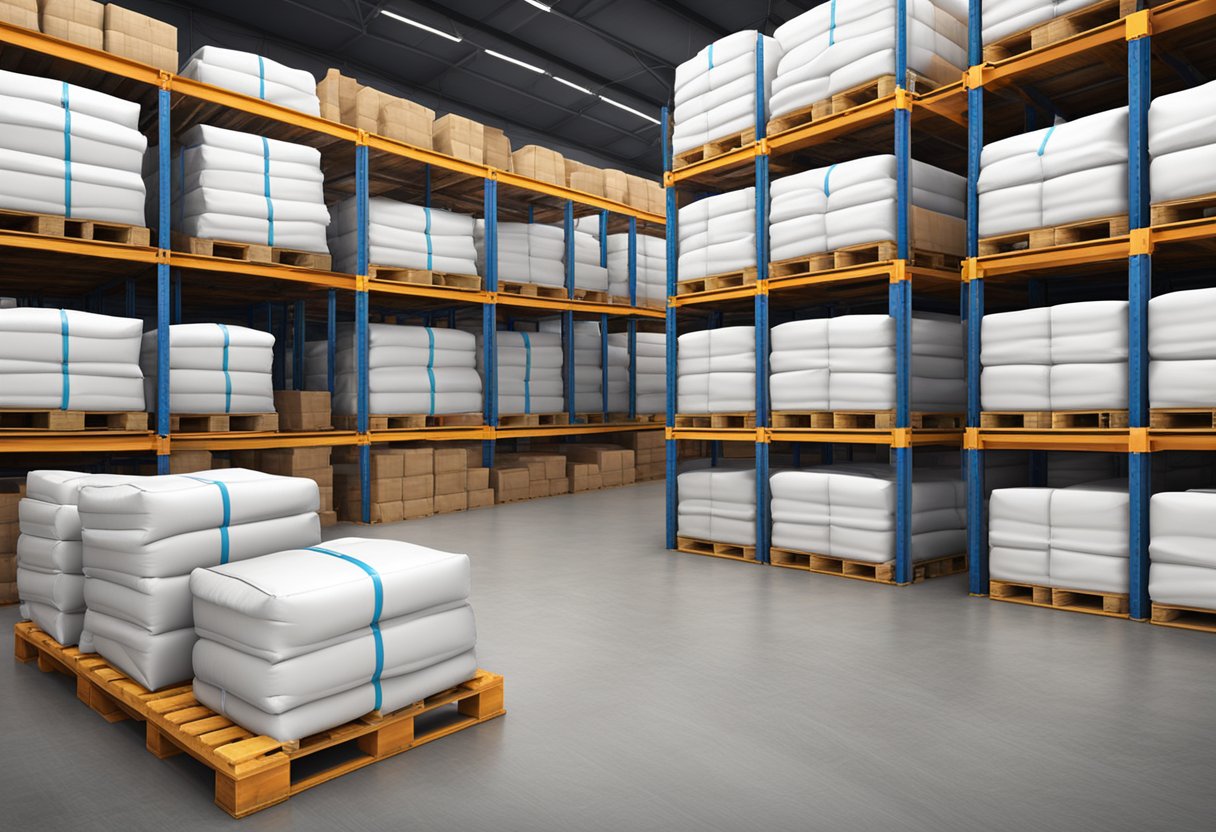
One of the major benefits of bulk bags is their economical nature. They can be reused multiple times, making them an environmentally friendly option. Their robust design ensures they can withstand heavy loads and rough handling, providing a reliable method for material handling.
Furthermore, bulk bags help minimise waste in the shipping process. Their design allows for efficient use of space, reducing the need for additional packaging materials. This not only saves money but also supports sustainable practices.
Types and Applications
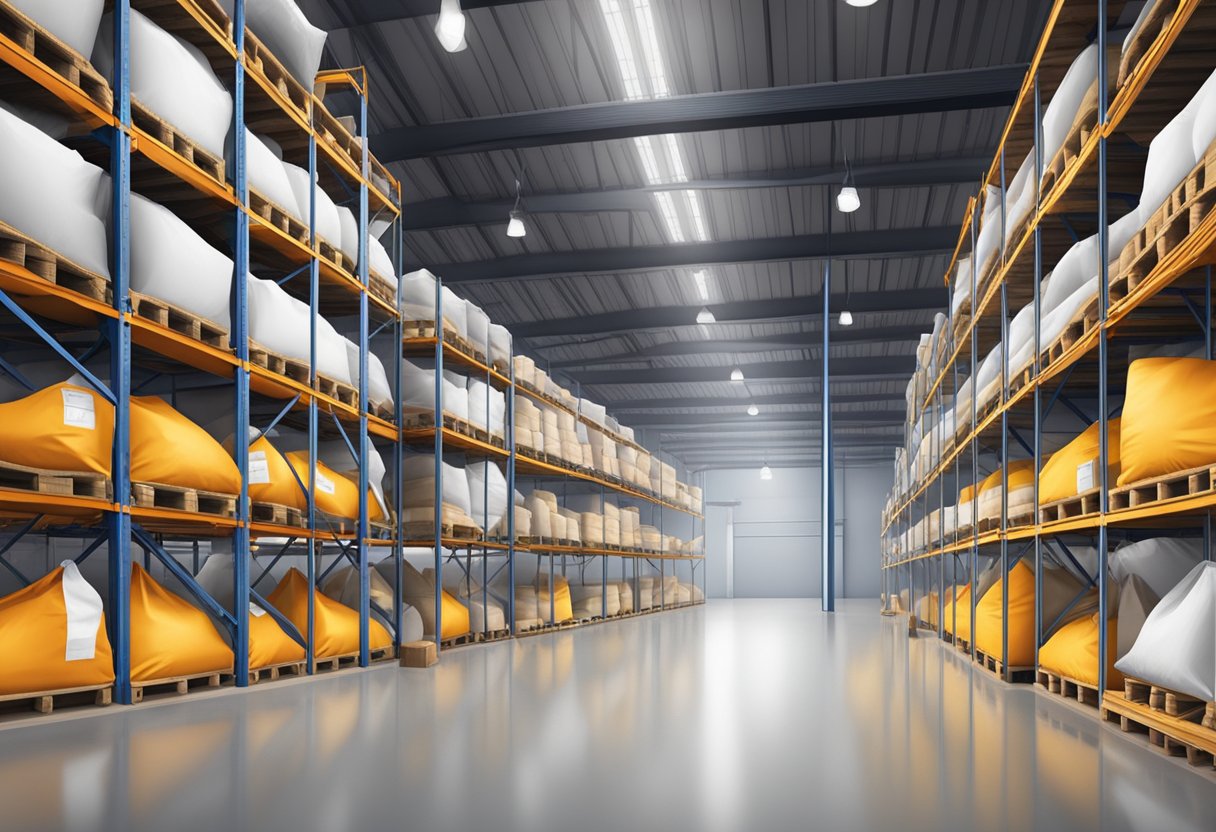
Bulk bags, also known as FIBCs (Flexible Intermediate Bulk Containers), are versatile and widely used in various industries. They cater to specific need like safely transporting food, supporting mining operations, and packing agricultural products.
Food-Grade Bulk Bags
Food-grade bulk bags are essential for transporting edible items such as grains, flour, and sugar. These bags meet stringent safety standards like ISO 9001 certification. They are designed to ensure hygiene and prevent contamination. Key features include:
- Safe Working Loads: Ensures stability and safety during transport.
- Durable Materials: Made from high-quality polyethylene or polypropylene.
- Safety Factor Rating: High ratings for handling heavy loads safely.
These bags are critical for maintaining the quality and safety of food products during storage and transport.
Mining and Construction Use
Mining and construction industries use bulk bags to handle heavy and bulky materials such as minerals, sand, and gravel. Aggregate bags designed for carrying these materials are robust and durable. Key attributes include:
- Reinforced Seams: Adds strength for carrying dense materials.
- Large Capacity: Suitable for heavy loads, reducing the need for multiple trips.
- Chemical Resistance: Suitable for various industrial chemicals and materials.
These bags help streamline operations by providing safe and efficient transport solutions in harsh environments.
Agricultural Packaging Solutions
In agriculture, bulk bags play a vital role in packaging products like seeds, animal feed, and fertilisers. These bags offer customised solutions tailored to the specific need of the agricultural sector. Important aspects include:
- Moisture Resistance: Protects contents from damp conditions.
- UV Protection: Ensures durability when stored outdoors.
- Flexibility: Available in various sizes to handle diverse products.
The intelligent design of these bags supports efficient farming operations by ensuring that products remain safe and uncontaminated during transit.
Design Features and Quality
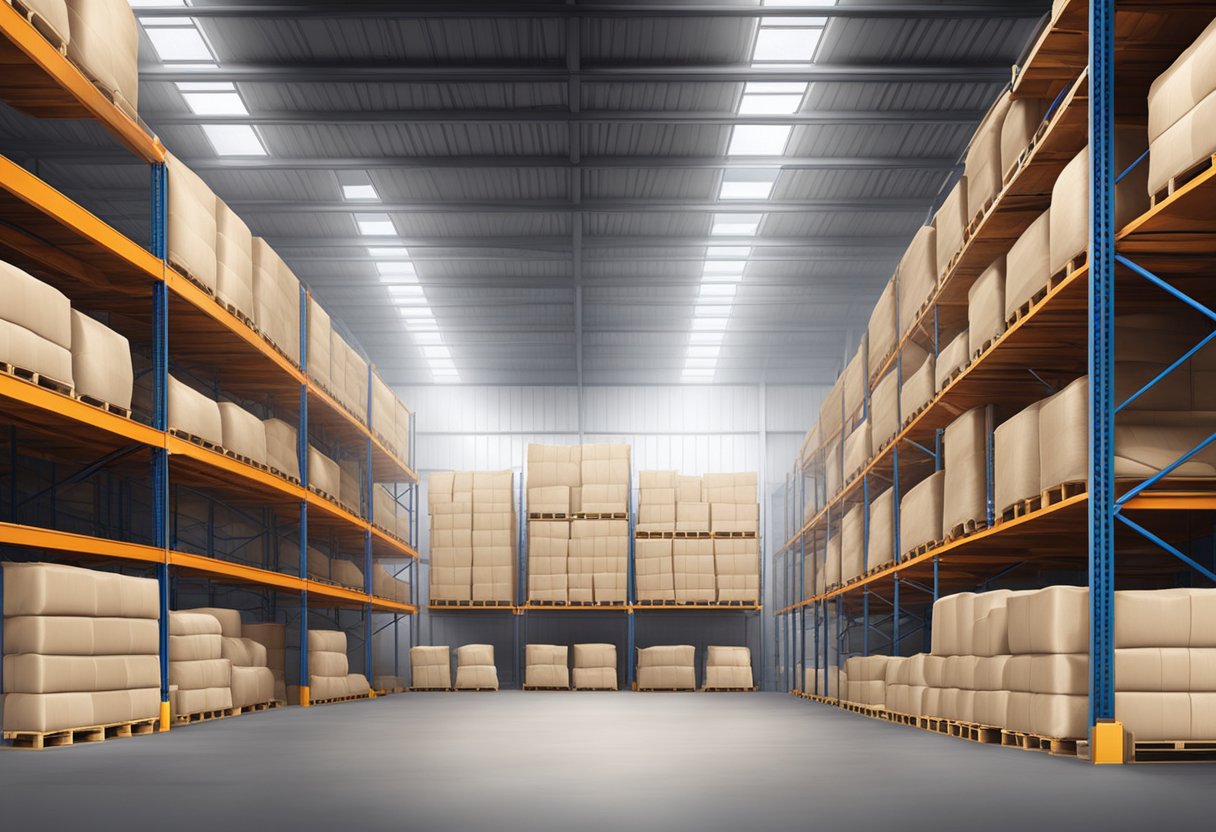
Bulk bags are designed with features that prioritise safety, durability, customisation, and environmental impact. These factors are crucial for effective and responsible use, especially in industries handling large volumes of goods.
Safety and Durability
Bulk bags are made from strong materials like woven polypropylene to ensure they can handle heavy loads safely. This material is not only sturdy but also resistant to tearing, providing a reliable container for various contents.
Lifting loops are a key feature adding to the safety. They are strategically sewn into the bags to facilitate easy handling and prevent accident during transport. Safe Working Loads (SWL) are specified and rigorously tested to ensure each bag can carry the intended weight without failure.
To enhance durability, some bulk bags come with internal liners. These liners protect the contents from moisture and contamination. Whether for transporting chemicals or food products, liners help maintain the integrity and quality of the goods inside.
Customisation and Additional Features
Customisation options for bulk bags are numerous. Custom bulk bags can be made to fit specific need, whether in size, shape, or material. This allows companies to order bags that are perfectly suited for their unique requirements.
Filling spouts and discharge spouts are common additional features. Filling spouts make it easier to load the bags, while discharge spouts allow for controlled unloading. These features improve ease of handling and operational efficiency.
Printing on bulk bags can include logos, handling instructions, or other critical information. This not only adds a layer of customisation but also helps in branding and safe usage.
Environmental Considerations
Environmental impact is now a crucial consideration in bulk bag design. Many bulk bags are reusable and recyclable, supporting sustainable practices in logistics and storage. Use of eco-friendly materials like recyclable polypropylene helps reduce waste and promote recycling.
Services like easy recycling and recycling services are available for disposed bags. This ensures that at the end of their lifecycle, bags are processed in an environmentally responsible manner.
Some manufacturers focus on creating sustainable and eco-friendly bulk bags to meet high-quality environmental standards. These efforts contribute to reducing the carbon footprint associated with the production and disposal of these bags.